Natha Yoga
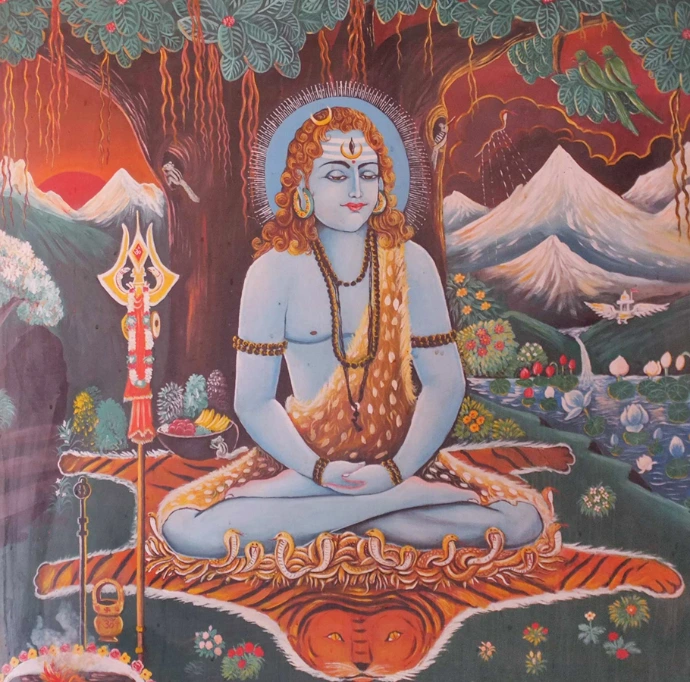
The Natha Sampradaya is an ancient yoga tradition. It was founded by Guru Gorakshanath, who in India is regarded as a manifestation of Shiva. Gorakshanath established and developed the yoga that is now practiced all over the world.
Over many centuries, the Natha tradition has transmitted spiritual knowledge through lineages from Guru to disciple, which is why it has been preserved to this day.
Gorakshanath wrote about fifty texts on philosophy, the metaphysical aspects of yoga, and various methods of yoga sadhana. He also founded the order of Kanphata Yogis. The distinctive attribute of the Kanphata Yogis is their large earrings, which symbolize the solar and lunar energies.
In comparison with the yoga of Maharishi Patanjali, the hatha yoga of the Natha Sampradaya places greater emphasis on kundalini jagaran, a sadhana that originated in tantric doctrines. In his practice of yoga and tantra, Gorakshanath created a practical quintessence of many spiritual traditions, including Vedism, the Puranic tradition, Tantrism, Shaivism, Shaktism, Buddhism, Jainism, and others. Gorakshanath and his followers revealed the essence of these doctrines to the world, thereby spreading the knowledge of yoga.
What does the practice of Natha yogis include?
Yoga practice in the Natha tradition is highly diverse and depends to a great extent on the teachings of the Guru. In fact, the Guru’s guidance is given primary importance, since it is the Guru who understands the techniques and methods that lead to perfection.
In general, Natha practice includes mantra yoga, hatha yoga, laya yoga, and raja yoga. It may also be described in terms of ashtanga yoga (yama, niyama, asana, pranayama, pratyahara, dharana, dhyana, and samadhi) and shadanga yoga (from asana to samadhi, excluding yama and niyama). These should not be understood as stages of yoga or as separate paths of development. Rather, all of these elements together form a complete yoga sadhana.
Mantra Yoga
Through mantra yoga, the practitioner realizes the mantra received from the Guru and its siddhis, or perfected powers. Natha yogis use many different mantras in their practice, depending on the situation and circumstances. However, they place particular importance on shabar mantras, especially the mantra of Guru Gorakshanath.
Hatha Yoga
Hatha yoga includes the following practices:
- sukshma-vyayama
- shat-karmas
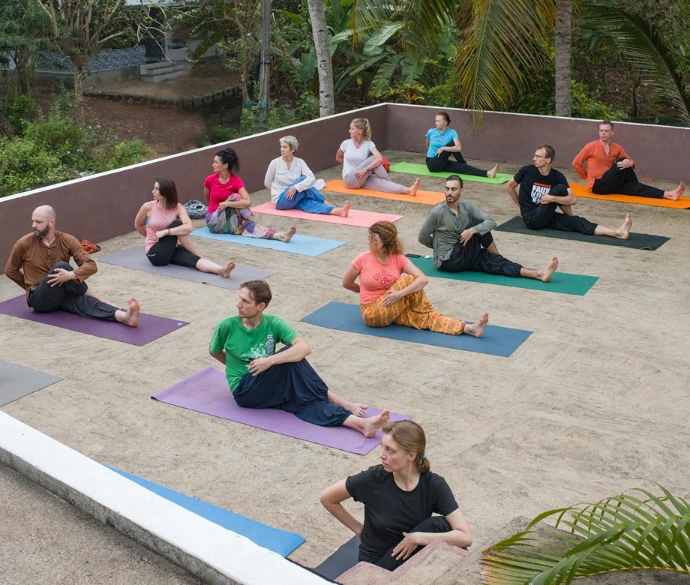
- asana, a steady posture of the body
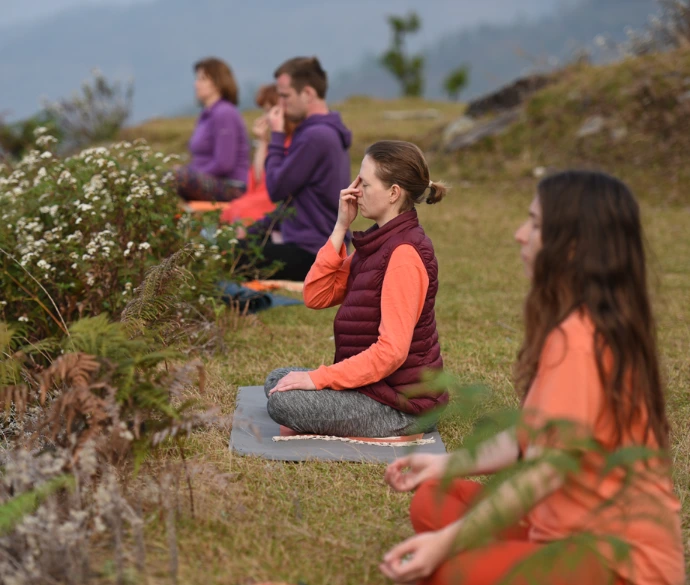
- pranayama, the control of vital energy through breathing practices
- mudra and bandha, which redirect the flow of prana into the central channel, sushumna
These methods help awaken the dormant spiritual power of Kundalini Shakti, which rises through the central channel and unites with the supreme consciousness, Shiva. This union of spiritual energy and consciousness is called hatha yoga. Through the complete union of opposites and the attainment of perfect balance, or samarasya, the highest goal of hatha yoga is achieved. In the Natha tradition, hatha yoga is given considerable emphasis, largely because the human body is seen as a reflection of the entire universe and the spiritual world.
Laya Yoga
Laya yoga is the yoga of dissolving the mind. Its main practice is nada anusandhana, through which the fluctuations of the mind are dissolved and consciousness attains purity. Nada anusandhana consists of concentration on the inner sound that arises from the anahata chakra. There are also many other methods of laya yoga, such as pranayama, mudras, bandhas, drishti, ajapa japa, chakra bheda, and concentration on adharas and lakshyas.
Raja Yoga
Raja yoga is intended to lead to the deep trance state of samadhi. It includes work with consciousness and such elements of yoga sadhana as pratyahara (control of the senses), dharana (concentration), dhyana (meditative perception), and samadhi.